
Many new owners ask when to spay or neuter a miniature schnauzer. The answer has changed over the years as veterinarians and researchers have learned more about how hormones affect a dog’s development. When I first began breeding over 10 years ago, veterinarians commonly recommended spaying a female dog after her first or second heat cycle. This was considered a conservative approach. However, the trend shifted drastically, and suddenly dogs were being spayed or neutered as early as 8 weeks old. From the beginning, this practice struck me as problematic for many reasons.
As a breeder, I understand that spaying or neutering is often seen as a hallmark of responsible dog ownership. Veterinarians advocate for fixing dogs by six months of age primarily to address overpopulation concerns—after all, more than 650,000 dogs are euthanized annually. No one wants to contribute to the issue of unwanted puppies. Shelters and rescue organizations even mandate spaying or neutering before adoption, often performing these procedures on puppies as young as eight weeks old. While this ensures they won’t reproduce, I’ve always questioned whether it’s truly in the best interest of the puppy’s long-term health. Fortunately, research has since confirmed my concerns.
Recent studies have highlighted the benefits of delaying spay or neuter or opting for alternative sterilization techniques that preserve hormonal function. For example, a paper published in Canine Genetics and Epidemiology offered yet another reason to wait until dogs are fully mature before performing these procedures. Personally, I consider a puppy to reach adulthood at around the ideal age of one year of age.
Hormones also affect joint and eye development, which is why understanding a Miniature Schnauzer health problems is important when deciding the right timing.
Click here to learn more about miniature schnauzer health problems
Dr. Chris Zink, a veterinarian specializing in canine sports rehabilitation and medicine, has summarized research on the effects of spaying and neutering at different ages. Her findings reveal that delaying these procedures until maturity reduces the risk of hip dysplasia, cruciate ligament tears, other joint abnormalities, and certain cancers. Hormonal status also plays a significant role in behavioral issues like noise phobias and aggression. What alarms me most is the link between early spay or neuter and autoimmune disorders such as hypothyroidism and inflammatory bowel disease (IBD). The health benefits of delaying spaying and neutering certainly are worth looking into.
One study focusing on 1,000 Dachshunds found that females spay before one year of age were twice as likely to develop intervertebral disc herniation—a common spinal issue in the breed. I’ve also spoken with an experienced orthopedic veterinarian who confirmed seeing a rise in issues like hip dysplasia and luxating patella in smaller dogs since early spay or neuter became common practice. He explained that sex hormones regulate growth in both humans and dogs. Removing these hormones prematurely disrupts growth patterns, causing bones to grow longer than they should. This imbalance can lead to structural problems.
For instance, consider the knee joint: above it lies the femur bone, while below are the tibia and fibula. The femur typically stops growing around eight months of age, whereas the tibia continues until 12–14 months. If a dog is spayed or neutered before the tibia finishes growing, it may grow excessively long, altering the knee’s natural angle and placing undue stress on the hips and spine. Additionally, this elongation increases strain on the cranial cruciate ligament (CCL), doubling the likelihood of tears and tripling the risk of luxating patella.
Unfortunately, much of the public information about spay and neuter is unbalanced or unsupported by evidence. Instead of educating pet owners about potential risks and benefits, these narratives have perpetuated misunderstandings. Research now shows that traditional practices—spaying/neutering at six months or earlier—can predispose dogs to avoidable health risks by interfering with their physical maturation.
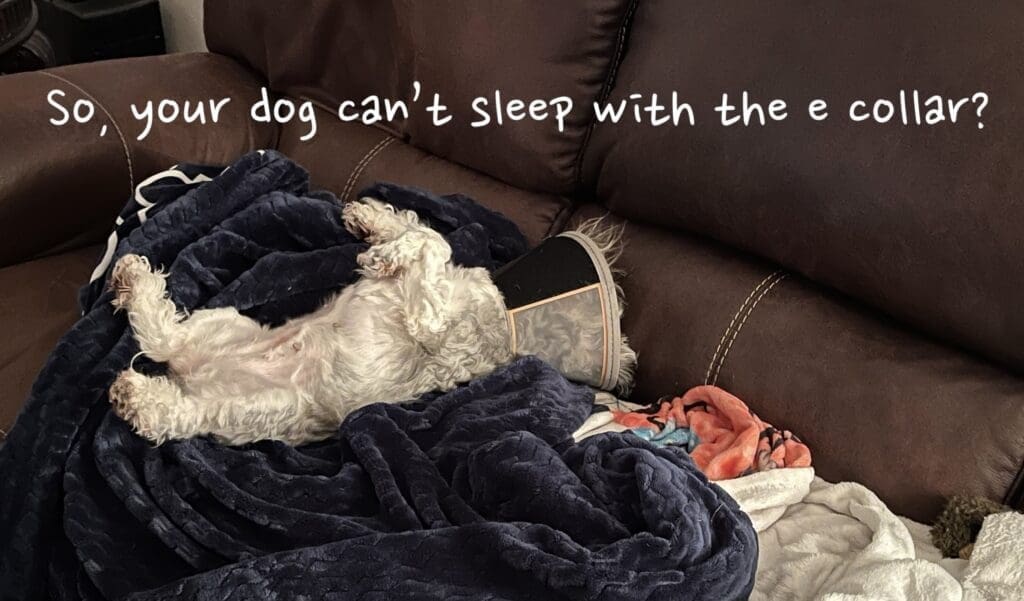
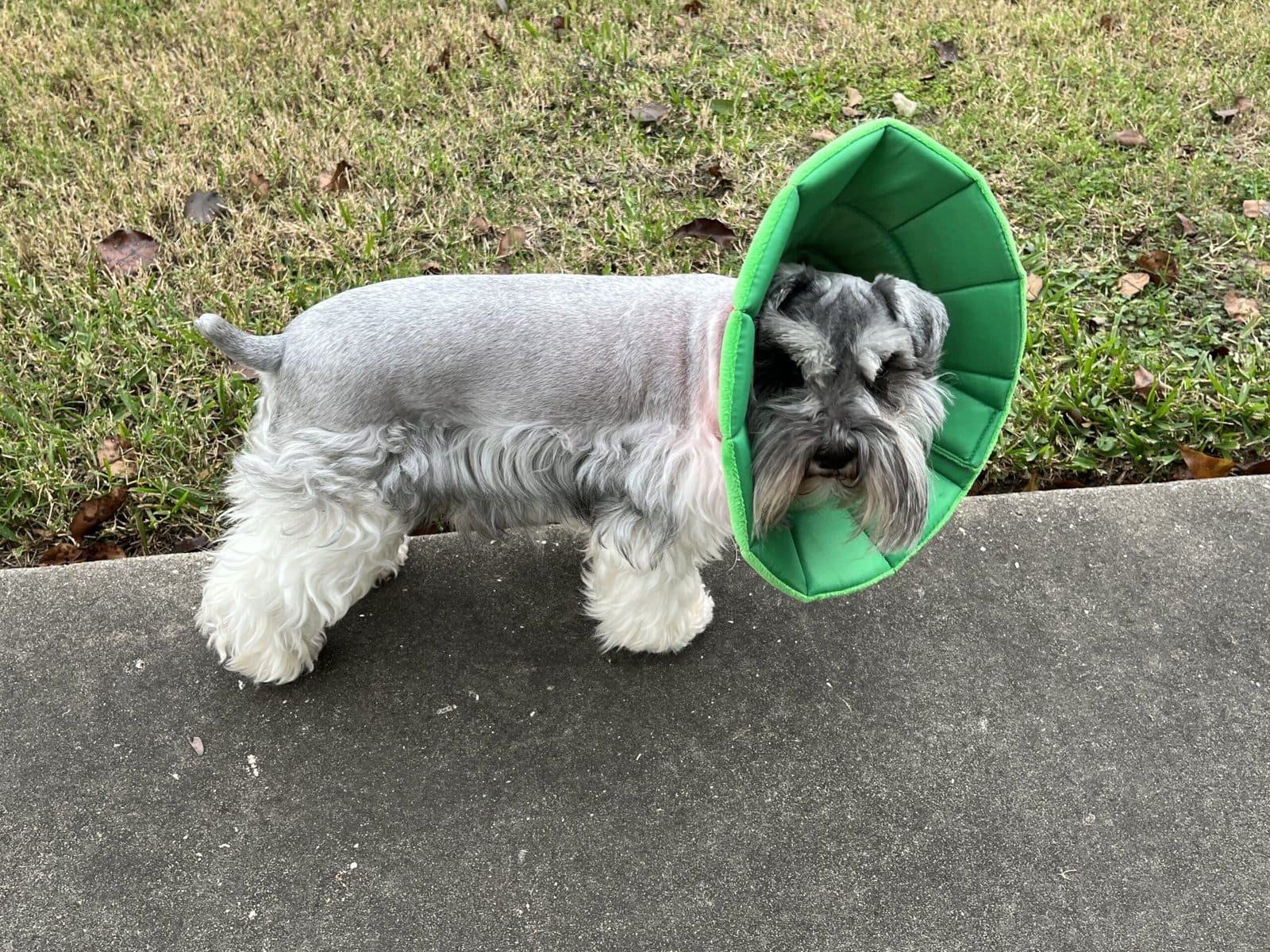
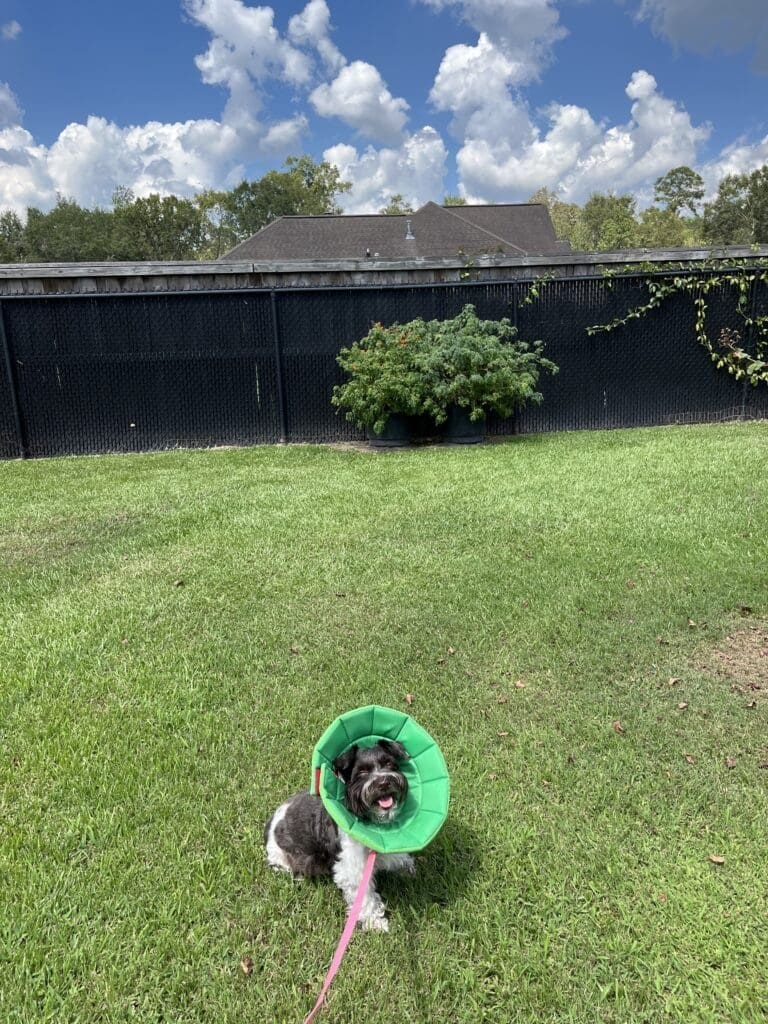
After a Miniature Schnauzer undergoes a spay or neuter procedure, the two most important parts of their recovery are wearing an e-collar (cone) and getting strict, intentional rest. These simple steps protect your dog, reduce complications, and ensure the surgical site heals cleanly and safely.
Why the E-Collar Is Essential
An e-collar may look uncomfortable, but it is absolutely necessary. After surgery, dogs naturally want to lick, chew, or scratch at their incision. Even a few seconds of licking can introduce bacteria, open stitches, or trigger an infection. Mini Schnauzers in particular are smart, determined little dogs—once they focus on the incision, they can cause damage quickly.
The e-collar acts as a protective barrier, giving the incision time to seal and begin healing without irritation. Most veterinarians recommend keeping it on for 10–14 days, or until the incision is fully closed and cleared at the follow-up appointment. Soft recovery cones and inflatable collars can help keep your dog comfortable, but only if they fully prevent access to the surgical site.
Why Rest Is Just as Important
Spay or neuter involve internal and external healing. Jumping, running, playing, and going up or down stairs can all strain the incision or disrupt internal sutures. Small breeds like Miniature Schnauzers, who are energetic and agile, often try to resume normal activity too quickly.
For at least 7–10 days, your dog should have:
No rough play
No jumping on furniture
No running or zoomies
Short, calm leash walks only
Rest allows the body to repair tissues without stress or tearing, greatly reducing the risks of swelling, bleeding, hernias, or delayed healing.
Using an e-collar and enforcing rest may feel strict, but these short, careful steps make all the difference. Protecting the incision now ensures your Mini Schnauzer heals safely, comfortably, and without complications.
Trust me…they can rest sleep with a e collar on

Spay or neuter are important surgeries that support responsible breeding and long-term health, but they are still significant procedures—especially for small breeds like Miniature Schnauzers. Their compact frames, sensitive systems, and lower body fat can make recovery slightly more delicate compared to larger dogs. This is where red light therapy becomes a gentle, supportive tool that can help your Mini Schnauzer heal faster and more comfortably.
Red light therapy, also known as low-level laser therapy (LLLT) or photobiomodulation, uses specific wavelengths of light to stimulate the body’s natural healing processes. It is completely non-invasive, drug-free, and safe for all ages, making it an excellent option for post-operative care.
1. Faster Healing of the Surgical Incision
One of the biggest advantages of red light therapy is its ability to accelerate tissue repair. The light penetrates the skin and boosts cellular energy production (ATP), helping cells regenerate more efficiently. For spay and neuter incisions, this often means reduced healing time, cleaner scarring, and fewer chances of irritation. Mini Schnauzers—especially mega-coated ones—may also experience less matting or discomfort around the incision site because swelling is often reduced earlier in the healing process.
2. Reduced Pain and Inflammation
Small breeds can be more sensitive to post-surgical pain and swelling. Red light therapy is known for its natural anti-inflammatory effects, helping calm the tissues around the incision. This can make your Schnauzer more comfortable during the first few days after surgery, when stiffness, soreness, and mild swelling are most common. Many owners notice that their dogs rest more peacefully and resume their normal routines sooner after a session.
3. Improved Circulation for Better Recovery
Good blood flow is essential for a smooth recovery, and red light therapy enhances microcirculation around the treated area. Increased blood flow delivers more oxygen and nutrients to healing tissues, while helping flush out toxins and metabolic waste. This is especially helpful for Miniature Schnauzers, whose compact size sometimes makes them a little more prone to inflammation buildup near surgical sites.
4. Gentle Support Without Medications
One of the best features of red light therapy is that it supports healing without adding extra medications. Mini Schnauzers—like many small breeds—can occasionally experience sensitivities to certain drugs or anesthetics. Red light therapy offers a natural option that complements your veterinarian’s pain management plan without putting stress on the liver, kidneys, or digestive system.
5. Calming, Stress-Reducing Effects
Many dogs find red light therapy soothing. The gentle warmth and quiet atmosphere of a session often helps reduce anxiety, which is beneficial for a Mini Schnauzer who may feel uncertain during recovery. A calmer dog heals more efficiently, moves more smoothly, and is less likely to chew or lick at the incision.
6. Helps Prevent Long-Term Tissue Stiffness
After spaying or neutering, some dogs experience temporary stiffness around the abdominal or groin area. Red light therapy supports muscle relaxation and reduces tension, helping your Schnauzer regain full mobility more comfortably.
Male schnauzers begin producing hormones around seven months old, and this is typically when you’ll see a shift in their behavior. One of the first noticeable changes is the instinct to mark territory, which is why many young males begin lifting their leg around this age. This behavior is completely normal—it’s simply their growing hormones signaling maturity.
For many years, the common recommendation was to neuter male dogs at about six to seven months old, largely to curb marking and prevent accidental breeding. However, newer research and updated veterinary guidance support waiting a bit longer, especially for small and medium breeds like Miniature Schnauzers.
Allowing your male to reach 10–12 months before neutering gives his body more time to finish important phases of growth and joint development. Studies show that delaying neutering can support healthier bone density, more balanced hormone development, and in some cases, a reduced risk of certain orthopedic and long-term health concerns. For active, intelligent breeds like schnauzers—who thrive on agility, structure, and confident behavior—this extra developmental time can be especially beneficial.
That said, every dog is unique. Factors such as temperament, home environment, household dynamics, the presence of other intact dogs, and your long-term goals for your puppy can all influence timing. I always encourage owners to speak with their veterinarian to determine the best window for their individual pup.
By understanding how your schnauzer develops and making informed decisions about sterilization timing, you’re giving your puppy the healthiest foundation possible—and supporting their physical and behavioral well-being for years to come.
I recommend waiting until females are at least 12–24 months old before scheduling their spay. This allows their bodies to fully complete important stages of growth and hormone development. Spaying too early can interrupt these natural processes, and current research suggests that allowing a female to mature can support better long-term health, especially for small breeds like Miniature Schnauzers.
It’s also important to avoid spaying during an active heat cycle, as this increases surgical risk and can lead to more bleeding and a longer recovery. Most schnauzer females experience their first heat between 9 and 14 months of age, and then will continue to cycle approximately every six months after that. Your veterinarian can help you determine whether your girl is in or out of cycle before the procedure.
Allowing your female schnauzer to go through at least one full heat cycle provides more time for her hormones, bones, and joints to settle into maturity. Many breeders and veterinarians believe this approach may support improved coat quality, joint health, and emotional development. For active, intelligent, and sensitive breeds like schnauzers, this extra time can make a meaningful difference.
Ultimately, every dog is unique. Factors such as temperament, lifestyle, home environment, and your long-term goals should all play a role in deciding the best timing. When in doubt, consult with your veterinarian—they can guide you based on your female’s individual health and stage of development. By choosing the right timing, you’re giving your schnauzer the healthiest foundation possible for a long, happy life.
To spay a female dog is a major abdominal surgery, comparable to a full human hysterectomy. During this procedure, the veterinarian removes the ovaries and usually the uterus, which requires entering the abdominal cavity and working around vital organs. Because of the complexity, a typical spay takes 30–90 minutes under general anesthesia, depending on the dog’s size, age, and whether she is currently in or near a heat cycle. In contrast, male neutering is far less invasive and usually completed in 5–20 minutes, with a much faster recovery.
For small breeds like Miniature Schnauzers, anesthetic safety is especially important. Their compact size, faster metabolisms, and smaller airway structures can make them more sensitive to anesthesia and temperature changes during surgery.
This doesn’t mean spaying is unsafe—it simply means the right precautions and an experienced veterinarian make all the difference.
When choosing a veterinary clinic, look for a team that regularly works with small dogs and uses modern, safe anesthetic gases such as sevoflurane or isoflurane. These anesthetics allow for smoother induction, quicker adjustments during surgery, and safer recovery. Equally important is the use of proper monitoring equipment, including heart and respiratory monitors, pulse oximetry, temperature regulation, IV fluids, and trained staff dedicated solely to anesthesia monitoring throughout the procedure.
Taking these steps ensures your schnauzer receives the highest standard of care, minimizes surgical risk, and sets the foundation for a smooth, safe recovery. Proper preparation and a skilled veterinary team truly make spaying a much safer and more comfortable experience for your girl.
Dangers of Early Spay and Neutering
What are the Facts
Spaying and neutering too early will deprive your dog of the sex hormones necessary for its maturation. These hormones are responsible for skeletal growth. If the procedure occurs too early, it may take much longer for your dog's growth plates to close.
There is a significant increase in the risk of osteosarcoma (bone cancer) in dogs neutered before 1 year of age and other cancers. As with spayed females, this is common cancer that occurs in larger breeds with a poor prognosis. There is an increase in the risk of cardiac hemangiosarcoma by a factor of 1.6m and a tripled risk of hypothyroidism.
Early spay/neuter causes loss of bone mass.
Dogs who are spayed/neutered before 6 months have a 70% increased risk of developing hip dysplasia.
Dogs who are spayed/neutered too early have an increased chance of developing undesirable behavioral issues such as phobias, fear aggression, and reactivity.
Early spay/neuter triples the risk of developing hypothyroidism and becoming obese.