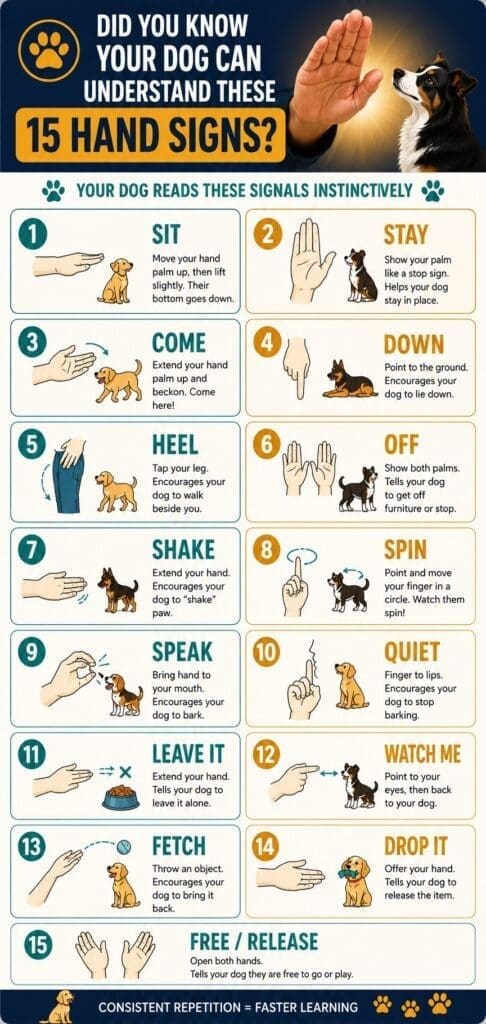










Training your dog is a rewarding process that helps build a strong relationship between you and your pet. While patience and consistency are key elements of successful training, the right tools can make a significant difference in your dog’s progress. Whether you’re a first-time dog owner or a seasoned handler, incorporating effective tools into your daily routine can help keep your dog engaged, motivated, and learning. In this article, we’ll explore some of the best tools for daily dog training, including health treats, treat pouches, enrichment toys, and the importance of finding a qualified trainer. We’ll also touch on the value of patience and humor in the training process.

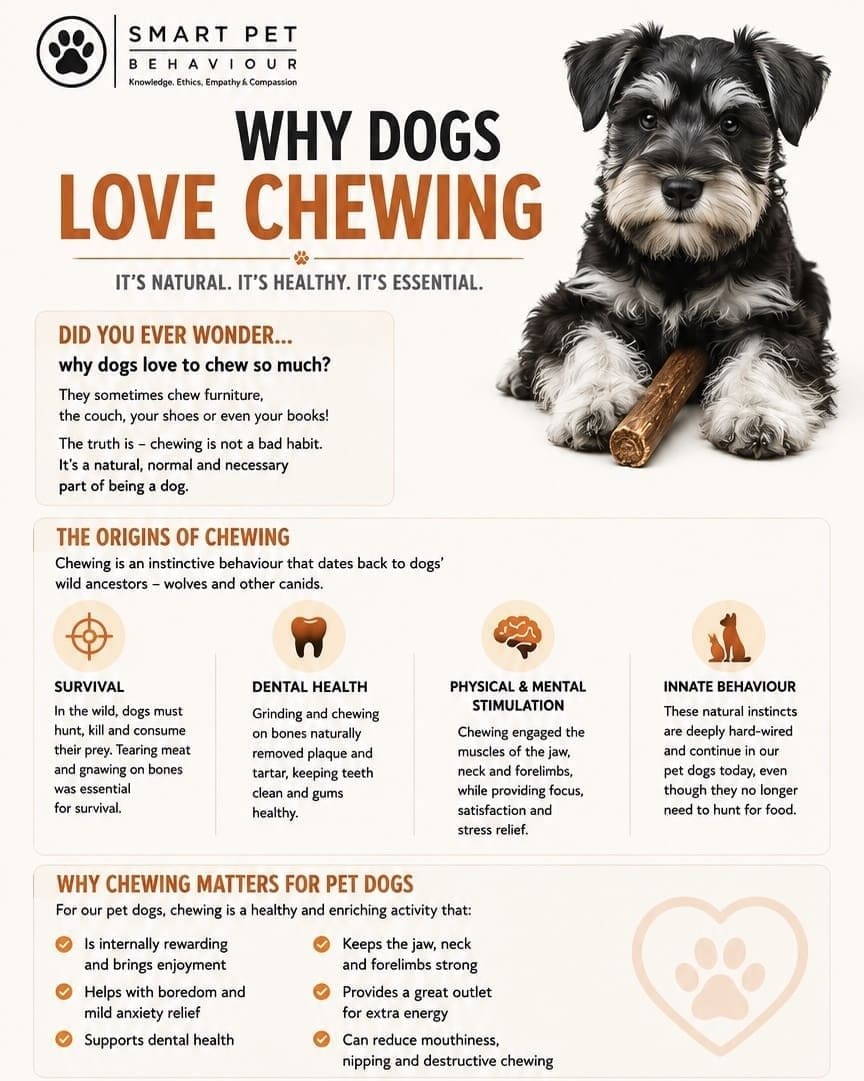
Chewing is a natural instinct that dates back to dogs’ wild ancestors. Long before dogs became family companions, they relied on chewing for survival, dental health, and mental stimulation.
Even today, chewing remains an important part of normal canine behavior and helps dogs stay physically and mentally satisfied. chewing provides more than entertainment. It helps keep teeth cleaner, exercises jaw muscles, relieves boredom, and offers a positive outlet for natural instincts. Providing safe, appropriate chews can help reduce destructive behaviors while supporting your dog’s overall well-being.
Quick Takeaway:
🐾 Supports dental health
🐾 Relieves boredom and stress
🐾 Strengthens jaw muscles
🐾 Encourages natural behaviors
🐾 Helps prevent destructive chewing
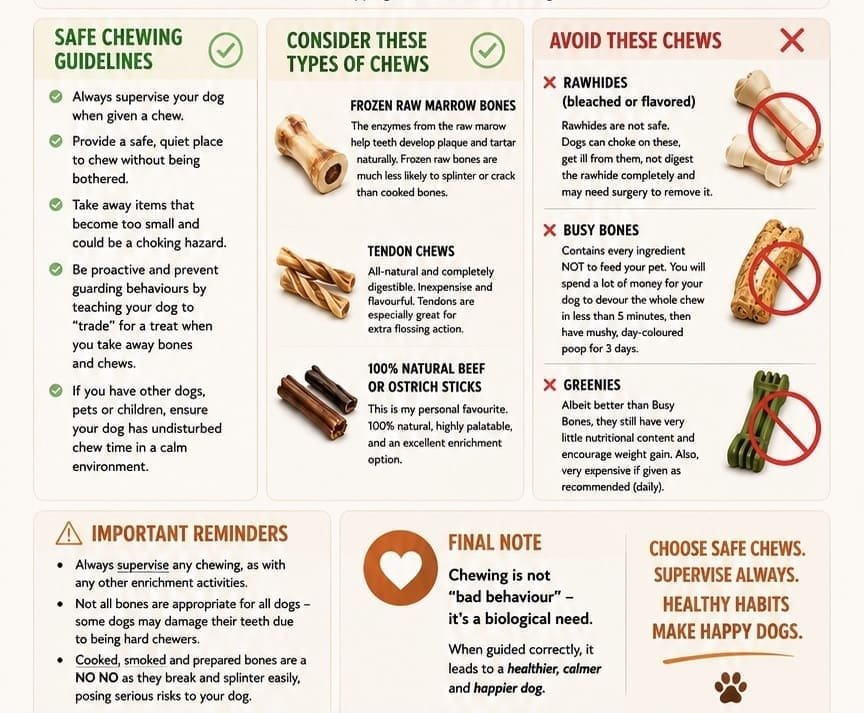
Always supervise your puppy when offering a chew. Choose chews that are appropriately sized, remove small pieces that could become choking hazards, and provide chew time in a calm environment. Safe chewing habits help protect your puppy while satisfying a natural instinct.
Healthy chew options can support dental health, reduce boredom, and provide mental enrichment. Many owners choose natural chews such as raw marrow bones (under supervision), beef collagen sticks, bully sticks, tendon chews, and natural beef or ostrich chews. Always select products that match your puppy’s age, size, and chewing style.
Quick Tips Supervise all chewing sessions Choose size-appropriate chews Remove worn or broken chews Offer chewing in a quiet area Replace unsafe or damaged chews regularly